
A full denture, also called a complete denture, replaces all of the teeth in your upper jaw, your lower jaw, or both. At Your Olathe Dentist, we help patients who have lost most or all of their teeth, or who are about to, find a denture that looks natural and fits well.
Every mouth is different. The shape of your gums and jawbone, your bite, and whether any teeth still need to be removed all play a part. We’ll explain each step and help you know what to expect along the way.
What Is a Full Denture?
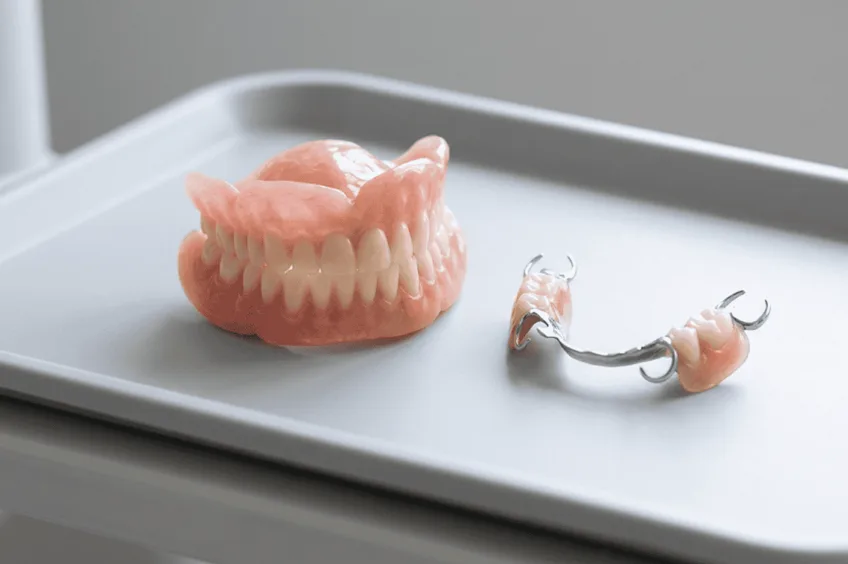
A full denture is a set of replacement teeth on a gum-colored base that rests over your gums. An upper denture covers the roof of the mouth, which helps it hold on with gentle suction. A lower denture is often harder to keep steady, because it sits on a narrower ridge of bone and has to work around your tongue and cheek muscles.
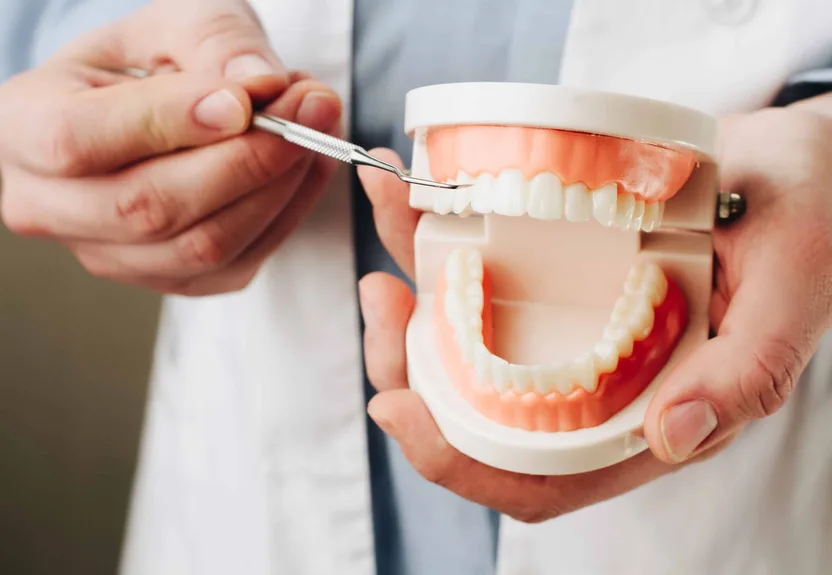
Making a full denture usually takes a few visits. We take impressions, record how your jaws come together, and set up a try-in so you can see how the teeth look before the final denture is made.
At the try-in, we check the look, the position of the teeth, your bite, and how you speak, and we make changes where needed. When your finished denture is ready, we check the fit again and adjust it for comfort.
Full or Partial Denture?
A full denture is meant for an arch with no healthy natural teeth left. If you still have some strong teeth worth keeping, a partial denture may be the better fit, since it fills the gaps and works around the teeth you have.
Keeping healthy natural teeth when you can is usually a good thing, so we’ll look closely at each tooth before recommending a full denture. Learn more on our partial dentures page, or see how the two compare in our full vs. partial dentures guide.
Whichever type you choose, good daily care matters. We’ll show you how to take out and clean your denture and how to keep your gums healthy underneath it.
Immediate Full Dentures
An immediate denture is made ahead of time and placed on the same day your remaining teeth are removed. That way you can leave with teeth instead of waiting weeks for your gums to heal.
Your gums and jawbone change shape as they heal, especially over the first few months. The denture can’t change with them, so it may start to feel looser as time goes on.
Follow-up visits for adjustments are normal. Once your mouth has finished healing and settled into its new shape, your denture may need a reline or a replacement. This is an expected part of the process, and we’ll help you know what is coming.
Getting Used to Your New Denture
A new denture takes some getting used to. Your speech may sound a little different at first, and some words might feel strange to say. Reading out loud at home is a simple way to practice talking with your denture in.
Eating takes practice as well. Start with soft foods cut into small bites, and chew on both sides of your mouth at once to keep the denture steady. As you get more comfortable, you can slowly add more foods back in.
Some tenderness or sore spots are common while your mouth adjusts. If a spot keeps rubbing or starts to hurt, call our office for an adjustment. Please don’t file or reshape the denture yourself, since that can damage it or throw off the fit.
Before some adjustment visits, wearing your denture for a few hours can help us find exactly where it is rubbing. We’ll let you know if that would help for your visit.
Full Denture Relines and Repairs
Your gums and the bone under them slowly change shape over the years, even if you’ve worn the same denture the whole time. As that happens, your denture may start to feel loose, shift when you eat, or cause new sore spots.
A denture reline reshapes the side of the denture that rests on your gums so it fits your mouth more closely again. Depending on the shape your denture is in and how much your mouth has changed, a reline can often bring back a good fit without making a whole new denture.
If your denture cracks, breaks, or loses a tooth, bring it in instead of trying to fix it at home. Household glues aren’t safe for use in the mouth and can damage the denture or make a proper repair harder.
Regular checkups also give Dr. Tony a chance to check your denture’s fit and the health of your gums and mouth.
When a Full Denture Feels Loose
If your lower denture slides or rocks when you eat or talk, you’re not alone. It is one of the most common complaints we hear about full dentures.
Often the fix is simple: an adjustment, a reline, or a new denture made to fit the way your mouth has changed. For some people, dental implants placed in the jaw can also give a denture something solid to snap onto, so it feels much steadier day to day.
Implant-supported dentures can help many people who struggle with a loose lower denture, but they aren’t right for everyone. Dr. Tony, who has advanced training in dental implants, would need to check your oral health and jawbone first.
If you want your denture to feel more secure, we can talk through a standard full denture and implant-supported options and help you decide what to do next.
Find the Right Full Denture for Your Smile
Whether you’re getting dentures for the first time, facing the loss of your remaining teeth, or wearing a denture that no longer fits, Your Olathe Dentist is here to help you weigh your options.