
Skip to content Call Us: (913) 780-0011

A dental crown is a cap that covers the visible part of a tooth, bringing back its shape, strength, and ability to chew. At Your Olathe Dentist, Dr. Tony may suggest a crown for a tooth that is cracked, has a large filling, is badly worn, or has been weakened by a root canal.

We use porcelain and other tooth-colored materials that can be shaded to match your natural teeth, so your crown protects what is left of the tooth while blending right in with your smile.

When Is a Crown the Right Choice?

A filling patches one damaged spot, but it still depends on the rest of the tooth to hold it in. Once too much of the tooth is broken or worn away, a crown can cover and protect it far better.

Dr. Tony may recommend a crown if you have:

  • A tooth that is cracked or broken
  • A large filling with thin, weak tooth around it
  • Heavy wear from grinding or clenching
  • A tooth that needs extra protection after a root canal
  • A broken cusp, one of the raised points on a tooth's chewing surface

The best fix depends on how much healthy tooth is left and where the damage is. We'll check the tooth, show you what we see, and talk through whether a crown or a different restoration makes the most sense.
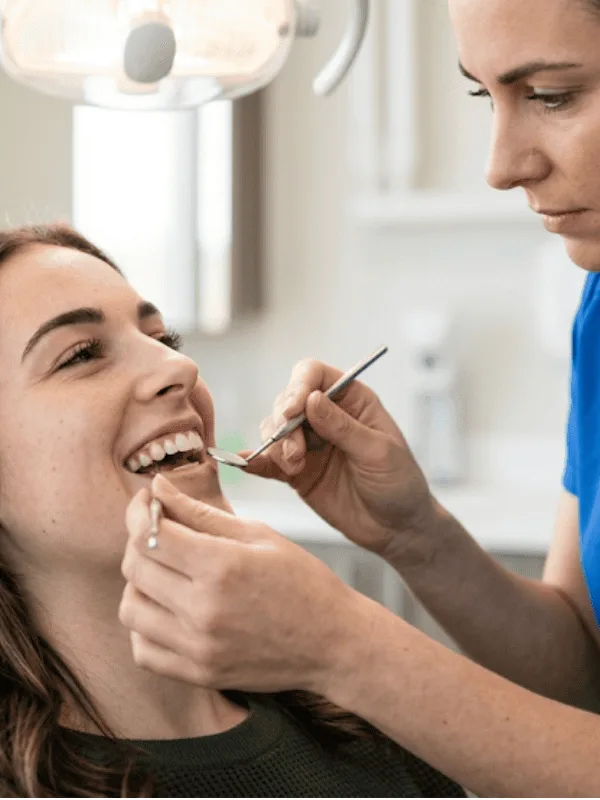
Patient smiling during a dental exam
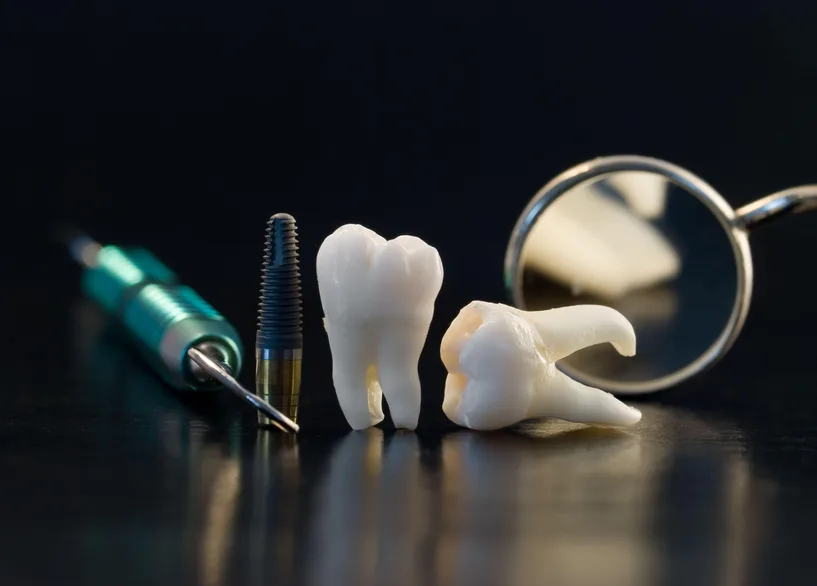
Dental tools and a model tooth on a dark surface

Crowns for Cracked Teeth

Cracked teeth can be tricky to pin down. Some people feel a sharp jolt when they bite down or let go of a bite. Others notice sensitivity that comes and goes, or pain only with certain foods or when chewing at a certain angle.

Not every crack shows up during a regular exam, and some are hard to see even on digital X-rays. Dr. Tony may need to look closely at the tooth and do a few simple tests to find where the crack is and how far it goes.

Depending on the crack, a crown can help hold the tooth together and shield it from the force of chewing. If a crack runs too far below the gumline or into the root, though, the tooth may not be able to be saved.

If it hurts to bite or chew, don’t wait until your next checkup. Having it looked at early gives you the best chance at a simpler fix.

What to Expect When You Get a Crown

Getting a crown usually takes two visits, since the crown is custom made by a dental lab.

Your First Visit

We start by numbing the area so you stay comfortable. Dr. Tony then removes any decay, damaged tooth, or old filling material. If a lot of the tooth is missing, he may rebuild the core first so the crown has something solid to hold on to.

Next, the tooth is shaped to make space for the crown. We take an impression so the lab can make a crown that fits your tooth, and we pick a shade that blends with the teeth around it.

Before you leave, we place a temporary crown to protect the tooth while your permanent one is being made.

Your Second Visit

When your crown is ready, you’ll come back to have it placed. We remove the temporary and check the new crown for fit, color, and how it sits next to your other teeth. We also check your bite and make any small adjustments.

Once everything fits well and feels right, the crown is cemented in place.

We’ll go over how to care for your new crown and what to expect over the next few days.

Taking Care of a Temporary Crown

A temporary crown keeps your tooth covered while the permanent one is made, but it isn’t attached as firmly as the final crown will be.

While you have a temporary crown:

  • Skip sticky foods that could pull it off.

  • Go easy on hard foods, and chew on the other side when you can.

  • Brush gently around it and keep the area clean.

  • When you floss, slide the floss out the side instead of pulling it back up.

If your temporary comes off, hang on to it and call our office. The tooth underneath may feel sensitive, and leaving it uncovered can let teeth shift, which can affect how the permanent crown fits.

Please don’t force it back on yourself. Give us a call and we’ll tell you what to do next.

Crown Materials We Use

Crowns can be made from more than one material. The best pick depends on which tooth is being treated, how you bite, and how you want it to look.

Porcelain Crowns

Porcelain crowns have no metal and can be made to match the color and look of natural teeth. They are a popular choice for teeth that show when you smile or talk.

Zirconia Crowns

Zirconia is a very strong tooth-colored ceramic that can work well for back teeth, where chewing forces are greatest. Its look and strength can vary with the type of zirconia used.

Other Ceramic Crowns

Other all-ceramic materials combine good strength with a natural, lifelike look. They may be a good option when you want both durability and a crown that blends in.

No one material is right for every tooth. Dr. Tony will explain your choices and recommend one based on your tooth, your bite, and your goals.

You can learn more about tooth-colored materials on our metal-free dentistry page.

How to Care for Your Crown

The crown itself can’t get a cavity, but the natural tooth under it still can. Plaque likes to build up along the edge where the crown meets the tooth, so daily cleaning still matters.

To keep your crown in good shape:

  • Brush twice a day with a fluoride toothpaste.

  • Clean between your teeth every day with floss or another tool we recommend.

  • Keep up with your regular checkups and cleanings.

  • Let us know if the crown feels loose, starts to bother you, or chips.

If you clench or grind your teeth, ask us whether a night guard could help protect your crown and the rest of your teeth.

With good care, crowns can last many years. How long yours lasts depends on the material, the health of the tooth, your bite, and your daily habits at home.

Schedule a Dental Crown Visit in Olathe

If you have a damaged tooth, pain when you bite, or an old filling that may be wearing out, Your Olathe Dentist can help you sort out your options. We’ll examine the tooth, explain what we find, and talk through whether a crown or another treatment is the right fit.