
Cosmetic dentistry can help with the color, shape, size, spacing, or overall look of your teeth.
At Your Olathe Dentist, options include professional teeth whitening, tooth-colored fillings and bonding, metal-free crowns, porcelain bridges, and Invisalign clear aligners. The right choice depends on what you want to change, the health of your teeth, and how much treatment is involved.
Dr. Tony Raper will walk you through your options, explain what each one can and cannot do, and help you choose what makes sense for you.
What Would You Like to Change About Your Smile?
Maybe your teeth have darkened over the years, a small chip keeps catching your eye, or an old silver filling shows when you laugh. You might want to close a gap, straighten a crooked tooth, or replace a missing one.
Each concern calls for a different approach. Whitening helps with many kinds of staining, while bonding can repair small chips and reshape edges. Tooth-colored crowns can restore a damaged tooth, a bridge can fill a gap, and Invisalign can gradually move teeth into better positions.
At a consultation, we will look at your teeth and gums, talk about what you would like to change, and explain the options that fit. If you have a photo of a smile you like, bring it along. It helps us understand your taste and talk honestly about what is realistic for your teeth.
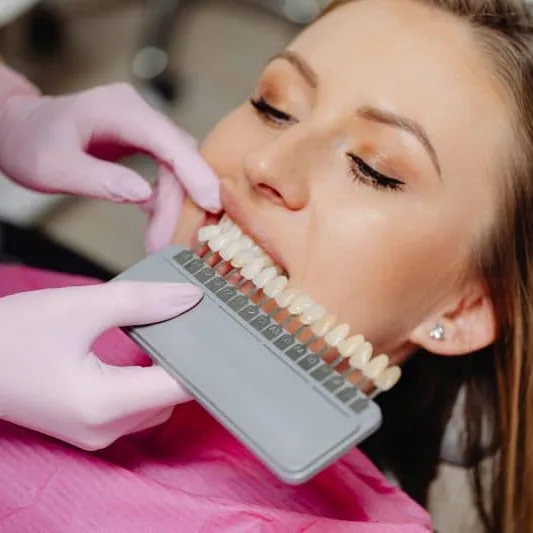
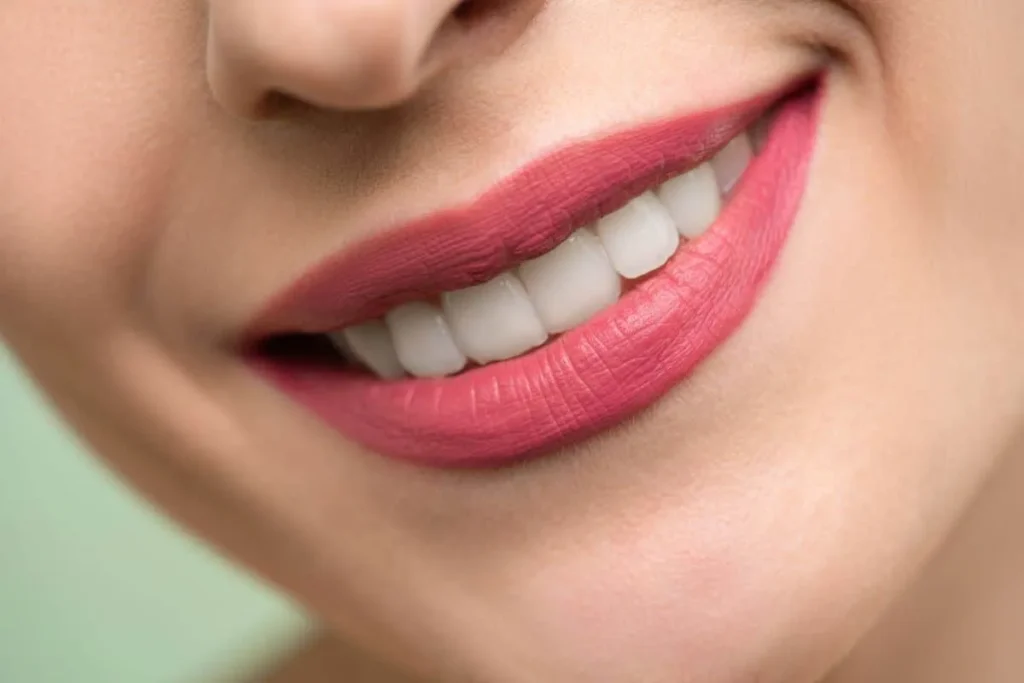
Professional Teeth Whitening
Professional whitening can lighten many kinds of stains and discoloration from coffee, tea, tobacco, and age. Because it is done under a dentist’s care, we can check first that your teeth and gums are healthy enough for it.
Some people notice temporary tooth sensitivity or mild gum irritation while whitening. Dr. Tony will explain what to expect and how to manage sensitivity if it comes up.
Whitening only changes the color of natural teeth. It will not lighten crowns, bridges, or tooth-colored fillings. If you are planning whitening along with other cosmetic work, the order of treatment matters so new restorations can be matched to your brighter shade.
Learn more on our teeth whitening page.
Tooth-Colored Fillings and Bonding
Dental bonding uses tooth-colored composite resin to repair or reshape a tooth. The material is applied directly to the tooth, sculpted, and hardened with a special light. Bonding can often be done in a single visit with little or no removal of natural tooth.
It can be a good choice for small chips, minor gaps, worn edges, or a tooth that needs a slight change in shape. The same material is used for tooth-colored fillings, so cavities can be repaired without a dark spot showing.
Composite can stain or chip over time, so it may need touching up now and then. Dr. Tony can help you compare bonding with a crown or other options based on the tooth and the change you want.
Invisalign Clear Aligners
Invisalign uses a series of clear, removable aligners to gradually shift teeth into better positions. It can help with certain cases of crowding, spacing, and bite problems, without metal brackets or wires.
Because the aligners come out, you can eat what you like and brush and floss normally. The tradeoff is that they need to be worn most of the day and night to work, so it takes some commitment. Not every case is a good fit for aligners.
Before recommending Invisalign, we will look at your teeth and bite, explain what aligners can realistically do for you, and talk about how long treatment might take.
Visit our Invisalign page to learn more.
Metal-Free Crowns
A dental crown covers a tooth to bring back its shape, strength, and appearance. Crowns may be recommended when a tooth is badly damaged or does not have enough healthy structure left for a filling to hold up well.
Metal-free crowns are made from ceramic or other nonmetal materials. They can look natural, which makes them a good option for teeth that show when you smile as well as back teeth that need strength.
Whether a crown is the right choice depends on the condition of the tooth and how much repair it needs. We will explain why a crown might be recommended and go over the choices.
Learn more about these materials on our metal-free dentistry page.
Porcelain Bridges
A missing tooth affects more than your smile. Over time, the teeth beside the gap can drift or tilt, which can change your bite and make the space look even bigger.
A porcelain bridge fills the gap with a replacement tooth anchored to the teeth on either side. Because porcelain can be shaded to match your natural teeth, a bridge can blend in with the rest of your smile.
Whether a bridge is a good fit depends on the health of the neighboring teeth and gums. Dr. Tony can explain how a bridge compares with a dental implant or a partial denture.
Read more on our porcelain bridges page.
Planning Your Cosmetic Dental Treatment
Some cosmetic treatments work best when they are planned together. If you want to whiten your teeth and also need a crown or bridge in the front, whitening is usually done first so the new work can be matched to your new shade. Existing crowns and fillings will not change color with whitening.
The health of your teeth and gums comes first. If you have untreated cavities or gum disease, those may need to be taken care of before cosmetic treatment begins.
There is no single plan that works for everyone. We will weigh your goals, your dental health, and your options before recommending next steps. The aim is to help you make an informed choice about your smile without doing more treatment than you need.
Schedule a Cosmetic Dentistry Consultation
If there is something about your smile you would like to change, let’s talk about it. Bring your questions, tell us what you would like to improve, and we will go over the options that may work for you.